Cloud security solutions

How to define what type of cloud partner you are
and how we can best help you

Nowadays, most IT businesses are also cloud businesses. However, the extent to which the cloud is used varies from partner to partner. Some class themselves as Born in the cloud, while others have only just started on their cloud journey.

By determining which type you are, we can then see which of our vendors and cloud security solutions are best suited to you.

And if you’re not quite ready for cloud yet, we are still here for you, so contact us if you have any questions.


What type of cloud partner are you?

security-cloud-born-in-the-cloud

Born in the cloud

Your focus is on consulting services built around the cloud portfolio of your preferred solution provider. You will only ever use another provider if you can get the products from the relevant marketplace. You have comprehensive expertise of public cloud platforms, and may have even specialised in a specific provider (Microsoft, Amazon, Google) whose offer you cover in its entirety.

security-cloud-performing-in-the-cloud

Performing in the cloud

You support your customers in selecting the right cloud solutions with services such as implementation, migration and maintenance of cloud infrastructures, as part of a fully managed package. You work with public, private or hybrid cloud environments from various providers. You do not rely upon one specific solution provider for your IT security, and will often include several solution providers in your customers’ packages.

security-cloud-working-with-the-cloud

Working with the cloud

You are not bound by fixed partnerships with dedicated cloud providers, and you sell cloud security products from various solution providers. You mainly take your customers’ projects into consideration when selecting your products. You do not wish to commit yourself and could also class yourself as Performing in the cloud. You run your business both in the cloud and outside of it. 

Use cases

Let's take a look at some typical use cases.

1) Protection of business applications in the cloud

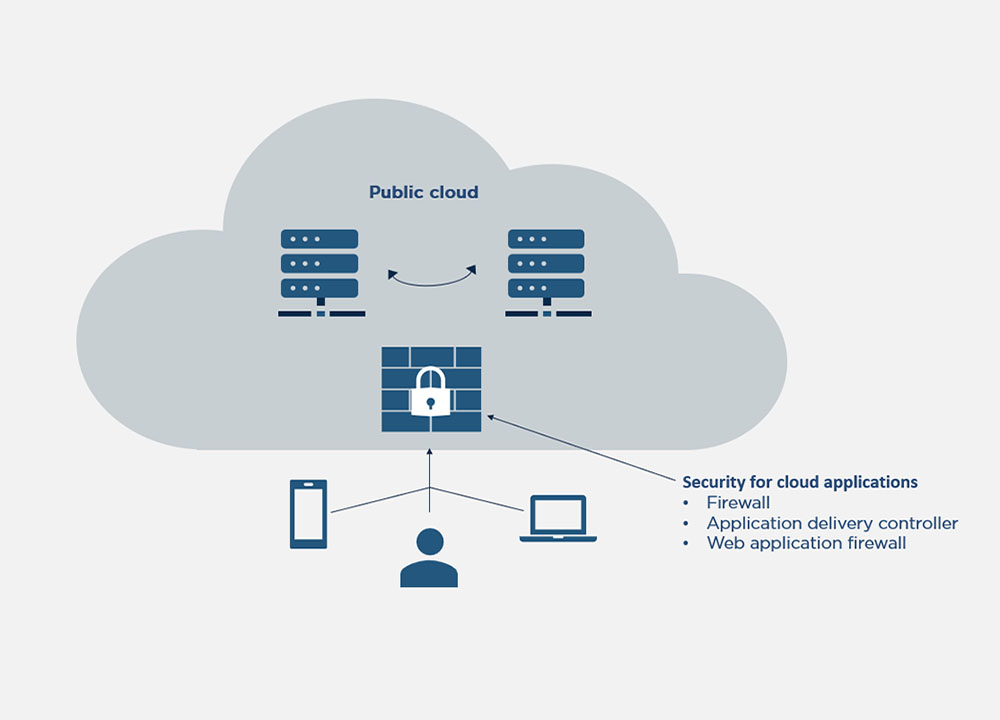
These types of solutions are often similar to standard, on-premises systems, and will migrate into the cloud together with the company’s own applications. You expect your security to be scalable, automatable and, ideally, fit for DevOps. Your target groups are companies that run their own applications in cloud-based IaaS/PaaS structures.

This use case applies solely to the protection of applications in IaaS and PaaS structures. When selecting tools, multi-cloud models are especially important for you, eg the support of multi-vendor clouds or the connection of different cloud structures. This case does not cover SaaS and the protection of the IaaS/PaaS structure. The cloud provider does not ensure the security.

  • Born in the cloud – Difficult
  • Performing in the cloud – Quite possible
  • Working with the cloud – Difficult

2) Security for cloud structures

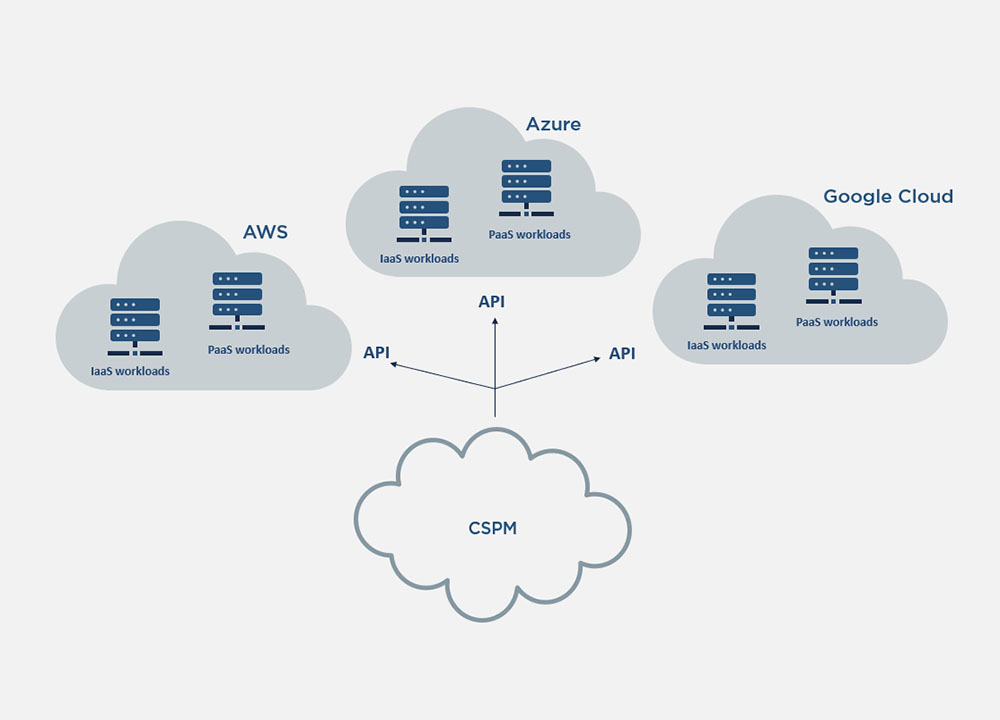
Your security requirements comprise multi-cloud capability and the support of compliance requirements. This use case focuses on systems which use SaaS to access public cloud tenants in an IaaS/PaaS environment. Your target groups are companies that run their own cloud structures.

This use case focuses on the protection of IaaS and PaaS structures or tenants. It does not cover application security and the protection of SaaS. The cloud provider (Microsoft, Amazon, Google) does not ensure the security. 

  • Born in the cloud – Difficult
  • Performing in the cloud – Quite possible
  • Working with the cloud – Difficult

3) Protection of users and data

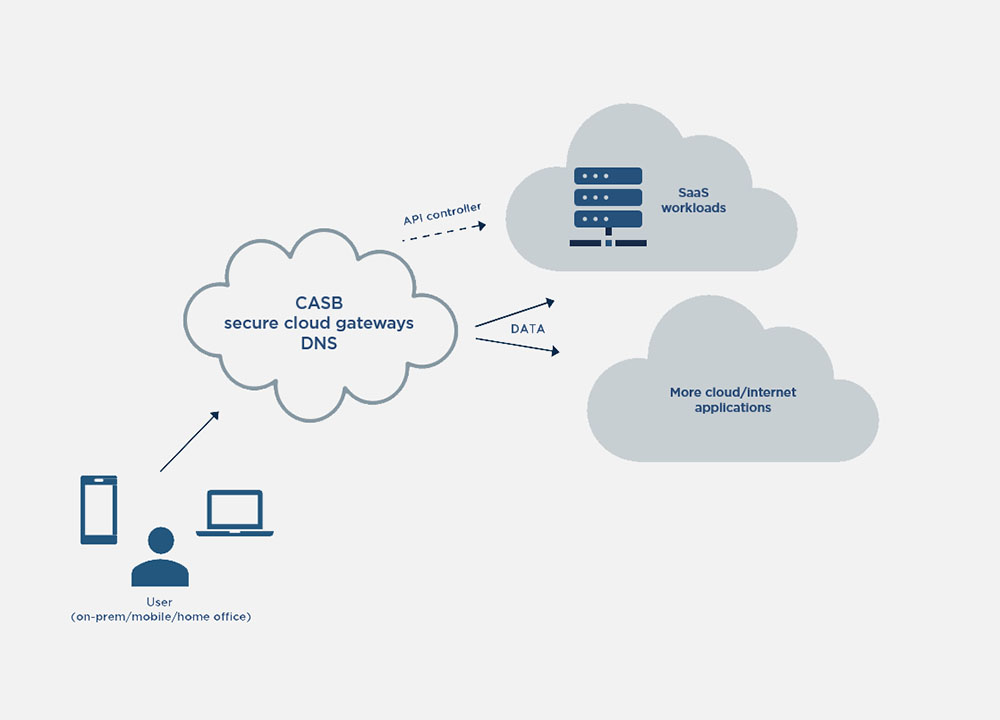
This use case covers security as a service (SecaaS), and focuses on the protection of users and data from the cloud.

You expect your security to be scalable, SaaS-capable and to offer protection independent of location. You provide your services in the cloud infrastructure and, if necessary, in the providers’ public cloud, too. Your services are relevant for companies of all sizes and from all industries.

  • Born in the cloud – Quite possible
  • Performing in the cloud – Quite possible
  • Working with the cloud – Quite possible

4) Cloud-based management and security platforms

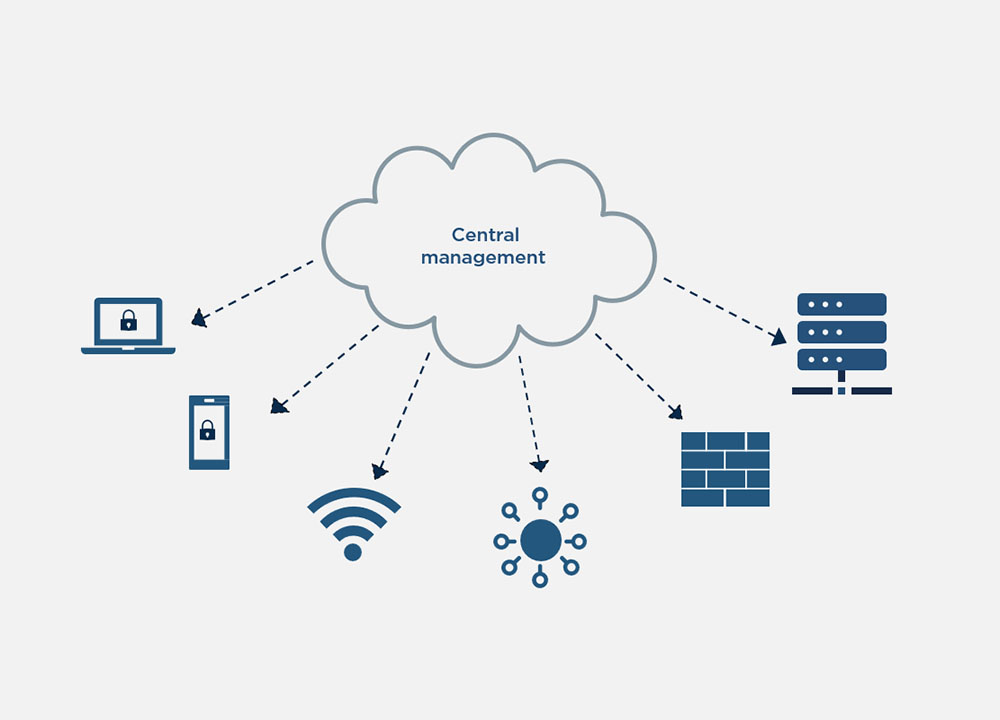
This use case focuses on cloud-based services that enable the management of applications or identify malicious code based via sandboxing and machine learning. It also includes threat intelligence feeds, as well as the processing and analysis of security-relevant data (big data).

Your cloud solutions must be scalable and available at all times. You provide your services either on-premises or mobile. Your services are relevant for companies of all sizes and from all industries.

  • Born in the cloud – Quite possible
  • Performing in the cloud – Quite possible
  • Working with the cloud – Quite possible

5) Protection of a company’s own cloud structures

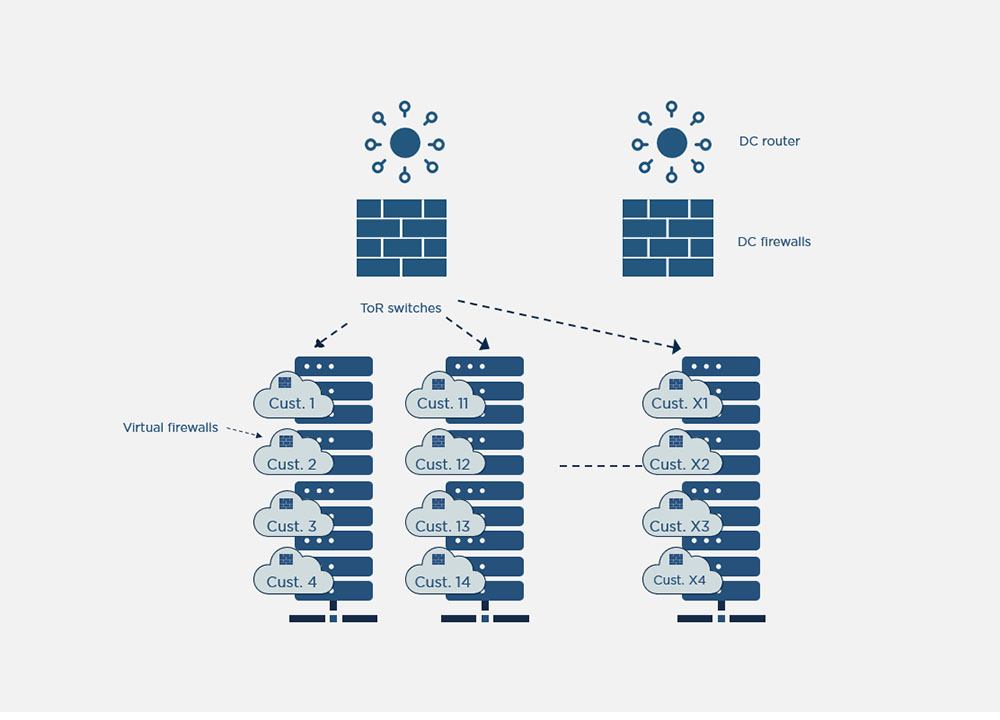
This use case focuses on companies that run their own cloud structures and on data-centre providers who host cloud structures for their customers.

When selecting security solutions, you focus upon scalability and automation. You provide your services on-premises. Any company that does not wish to entrust their data to large, global corporations is a potential customer.

This use case is tailored to cloud providers rather than cloud resellers. The security solutions required in this case can, of course, be obtained from us. However, they will not be covered here.

  • Born in the cloud – Unlikely
  • Performing in the cloud – Unlikely
  • Working with the cloud – Unlikely

6) Connection and integration of cloud structures

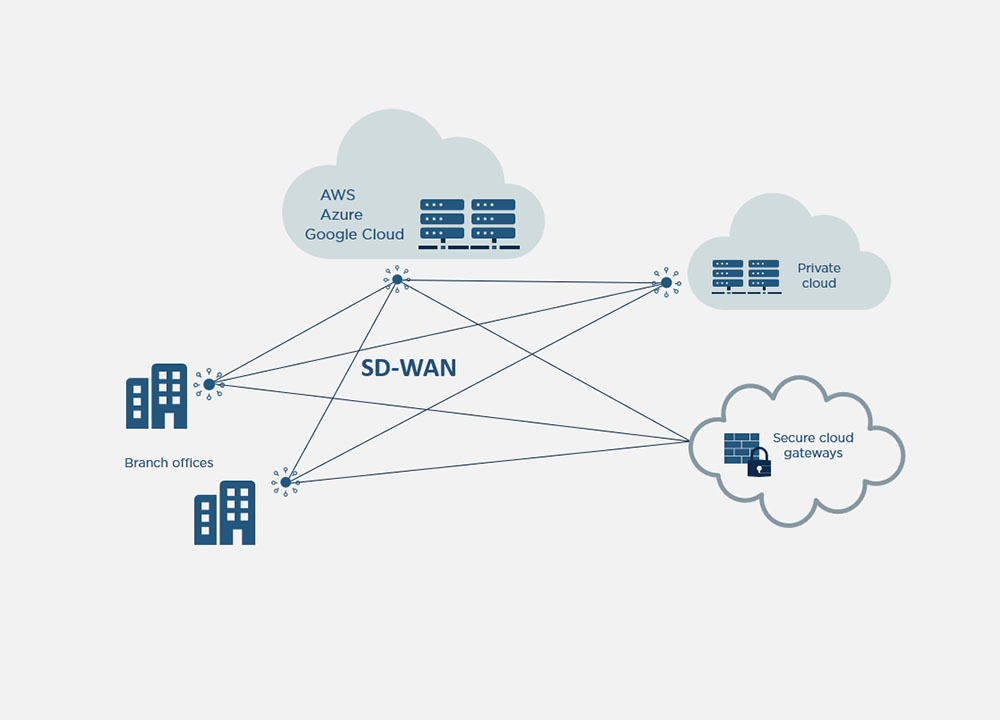
This use case is aimed at partners who have to securely and effectively connect their customers to the cloud, or who have to interconnect cloud structures.

Your security requirements are scalability, automation, performance and zero-touch-provisioning. You provide your services on-premises or in an IaaS/PaaS cloud. Any company with multiple subsidiaries in their enterprise network or their cloud structure is a potential customer.

  • Born in the cloud – Quite possible
  • Performing in the cloud – Quite possible
  • Working with the cloud – Difficult

Use case vs vendor matrix

Our team have carefully examined each solution and will help you to find the right product for each use case.

  1 2 3 4 6
Check Point
CyberX
F5
Firemon
Infoblox
Juniper Networks
Netskope
Palo Alto Networks
  1 2 3 4 6
Ping Identity
Pulse Secure
Silver Peak
Sumo Logic
Symantec (Broadcom)
Trend Micro
Vectra